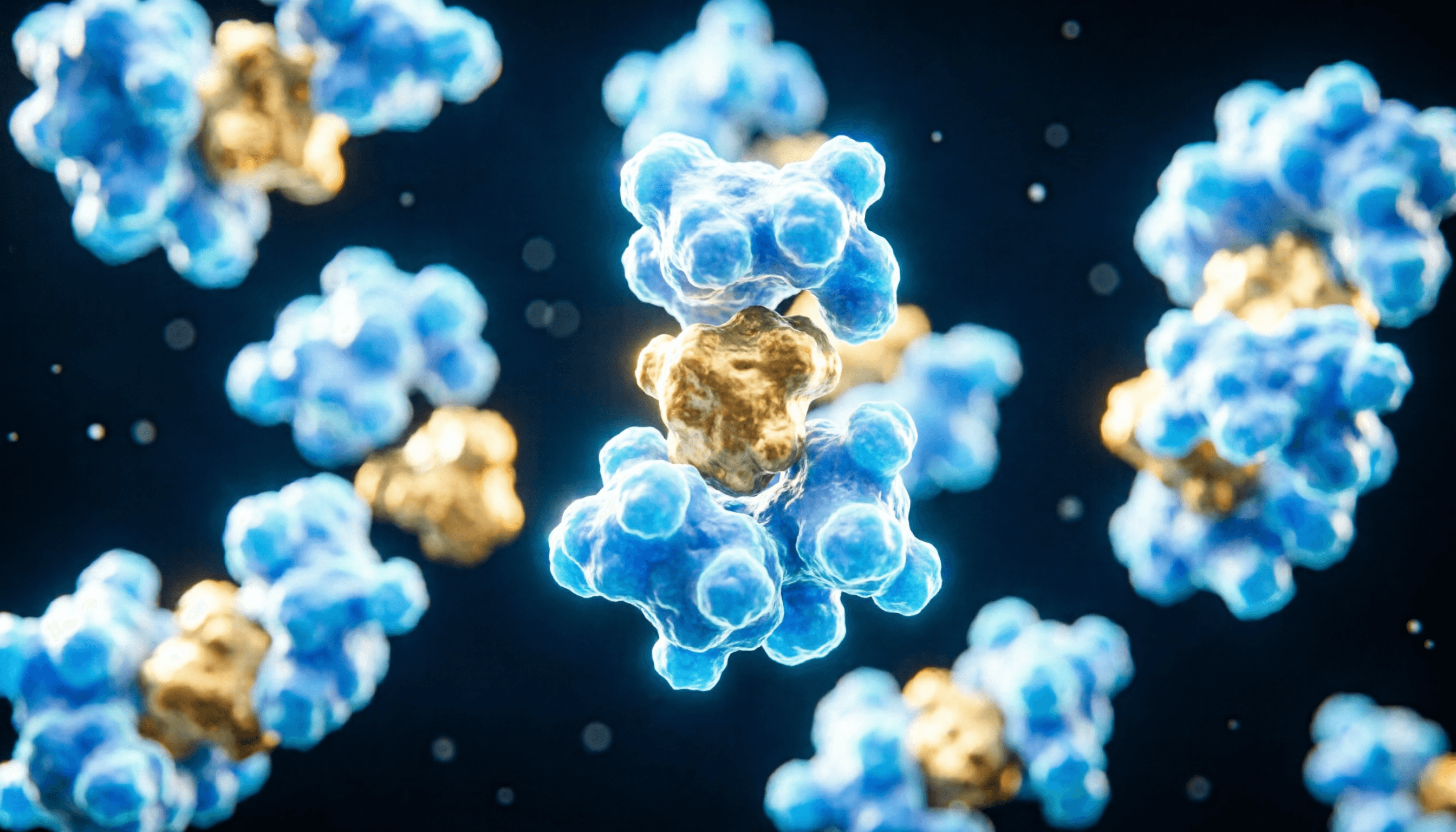
Intense training blocks push the body to its limits — and when the final session ends, the real work begins. Recovery is not passive. It demands precise nutritional signaling, hormonal balance, and above all, a controlled relationship between energy intake and genuine physiological need. This is exactly where Semaglutide enters the conversation as one of the most scientifically supported peptides in modern metabolic science.
Semaglutide acts through GLP-1 receptors — a central node in the body's appetite regulation network. By influencing satiety signals and slowing gastric emptying, it creates a cleaner, more honest dialogue between what the body actually needs and what hunger impulses demand. For athletes and dedicated training enthusiasts navigating the post-block recovery window, that clarity is not a luxury — it is a strategic advantage.
Why the Recovery Phase Demands Metabolic Precision
After weeks of high-volume or high-intensity training, the body enters a complex physiological transition. Hormonal output shifts, muscle repair processes accelerate, and appetite signals often become unreliable — oscillating between extreme hunger and sudden suppression. Without a framework to interpret these signals accurately, caloric management becomes guesswork.
Overeating during recovery can blunt the body recomposition benefits earned through hard training. Undereating, on the other hand, compromises tissue repair and hormonal recovery. The challenge is not simply eating more or less — it is eating with precision. This is the metabolic context in which Semaglutide offers its most meaningful contribution.
What Semaglutide Is and How It Works
Semaglutide is a GLP-1 receptor agonist — a peptide that mimics and amplifies the action of glucagon-like peptide-1, a natural incretin hormone produced in the gut in response to food. GLP-1 receptors are distributed across the brain, gastrointestinal tract, and pancreas, making them a master regulator of appetite, satiety, and metabolic signaling.
By activating these receptors, Semaglutide achieves two primary effects: it slows gastric emptying, which extends the sensation of fullness after meals, and it modulates central satiety signals in the hypothalamus, reducing the drive to eat beyond genuine need. The result is a more calibrated intake pattern — one that supports body recomposition without requiring willpower to override persistent hunger signals.
Composition and Format
Semaglutide from Olympus Meds is available in a 3mg unit composition, with additional formats of 5mg and 10mg to accommodate different protocols and user profiles. This range allows for structured, progressive approaches suited to individual recovery strategies.
Semaglutide in the Context of Body Recomposition After Training
Body recomposition — the simultaneous reduction of fat mass and preservation or growth of lean tissue — is the primary goal for most serious athletes during a recovery block. It requires a consistent caloric environment that supports muscle protein synthesis without creating a surplus that encourages fat accumulation. Semaglutide directly addresses one of the most common obstacles to this balance: appetite dysregulation.
When satiety signals are clear and reliable, food choices become less reactive and more intentional. Meal timing, portion awareness, and macronutrient distribution all improve naturally when the body is not overriding rational intake with disproportionate hunger. Semaglutide creates the physiological conditions in which disciplined nutrition becomes significantly easier to maintain.
Key Benefits of Semaglutide for Post-Training Recovery Support
- Appetite regulation through GLP-1 receptor activation — reduces excessive hunger signals without suppressing genuine nutritional need
- Slowed gastric emptying — extends post-meal satiety, supporting more consistent meal spacing and portion control
- Improved caloric management — creates a clearer relationship between actual energy requirements and intake behavior
- Support for body recomposition — reduces the risk of recovery-phase fat accumulation while preserving lean tissue goals
- Metabolic precision — backed by extensive scientific research, making it one of the most credible peptide tools in modern wellness
- Flexible dosing formats — 3mg, 5mg, and 10mg options allow tailored protocol design
How Semaglutide Compares Within the GLP-1 Peptide Landscape
The GLP-1 receptor class has expanded significantly in recent years, with several molecules now competing for attention in metabolic science. Among the most notable is Tirzepatide, a dual GLP-1 and GIP receptor agonist that adds an additional layer of incretin activity. Tirzepatide is often considered for users seeking maximum metabolic engagement across multiple receptor pathways simultaneously.
Semaglutide, however, remains the benchmark in GLP-1 research — the molecule against which newer compounds are measured. Its singular focus on GLP-1 receptor activity delivers a precise, well-characterized mechanism with one of the deepest scientific literature bases of any peptide in this category. For users who value clarity, research depth, and proven receptor specificity, Semaglutide represents the gold standard entry point into GLP-1-based metabolic support.
Pairing Semaglutide with Structural Recovery Support
Appetite regulation is one pillar of effective post-training recovery — but it works best alongside strategies that address tissue repair and systemic adaptation. BPC-157 is a widely researched recovery peptide that supports soft tissue regeneration, including muscles, tendons, and ligaments. Its role in angiogenesis — the formation of new blood vessels — makes it particularly relevant during the repair phase that follows intense training blocks.
Using Semaglutide to manage the caloric and metabolic environment while supporting structural tissue recovery through BPC-157 represents a layered, intelligent approach to the post-block window. Each peptide addresses a distinct physiological dimension, and together they cover both the metabolic and regenerative aspects of comprehensive recovery.
Who Is Semaglutide Most Relevant For
Semaglutide is particularly relevant for individuals who have completed high-volume or high-intensity training blocks and are entering a deliberate recovery or deload phase. It is also well-suited for those pursuing body recomposition as a primary goal — where the margin between a caloric surplus and deficit is narrow and appetite reliability is critical.
It is equally valuable for experienced users who have already optimized their training and recovery protocols and are now seeking to refine the nutritional and metabolic layer. Semaglutide does not replace disciplined nutrition — it makes disciplined nutrition more physiologically accessible by aligning hunger signals with actual need.
Explore Semaglutide and Build Your Recovery Protocol at Olympus Meds
Olympus Meds provides Semaglutide in research-grade quality with transparent composition and flexible format options. Whether you are beginning your first GLP-1 protocol or refining an existing metabolic strategy, the product page offers full composition details and format availability to support informed decisions.
For those working with larger research volumes or building multi-peptide protocols, the Olympus Meds bulk page provides dedicated options designed for efficiency and scale. If you want to stay current with product availability and the latest additions to the catalog, the status page keeps you informed in real time.
Olympus Meds is built for those who approach their physiology with the same seriousness they bring to their training. Premium peptides, credible science, and a catalog designed for intelligent recovery — all in one place.
Frequently Asked Questions
Why is Semaglutide relevant specifically during a post-training recovery phase?
After intense training blocks, appetite signals often become dysregulated — swinging between excessive hunger and suppression. Semaglutide's action on GLP-1 receptors helps restore a more reliable satiety response, making it easier to manage caloric intake precisely during the recovery window when nutritional accuracy matters most for body recomposition outcomes.
Can Semaglutide be used alongside other recovery peptides?
Yes. Semaglutide addresses the metabolic and appetite regulation dimension of recovery, while peptides such as BPC-157 target structural tissue repair and regeneration. These mechanisms are distinct and complementary, making a combined approach logical for users seeking comprehensive recovery support. Always approach multi-peptide protocols with clear intent and appropriate research.
What formats of Semaglutide are available at Olympus Meds?
Semaglutide is available in a 3mg unit composition, with additional format options of 5mg and 10mg. This range supports flexible protocol design across different stages and intensity levels of use. Full details are available on the Semaglutide product page at Olympus Meds.